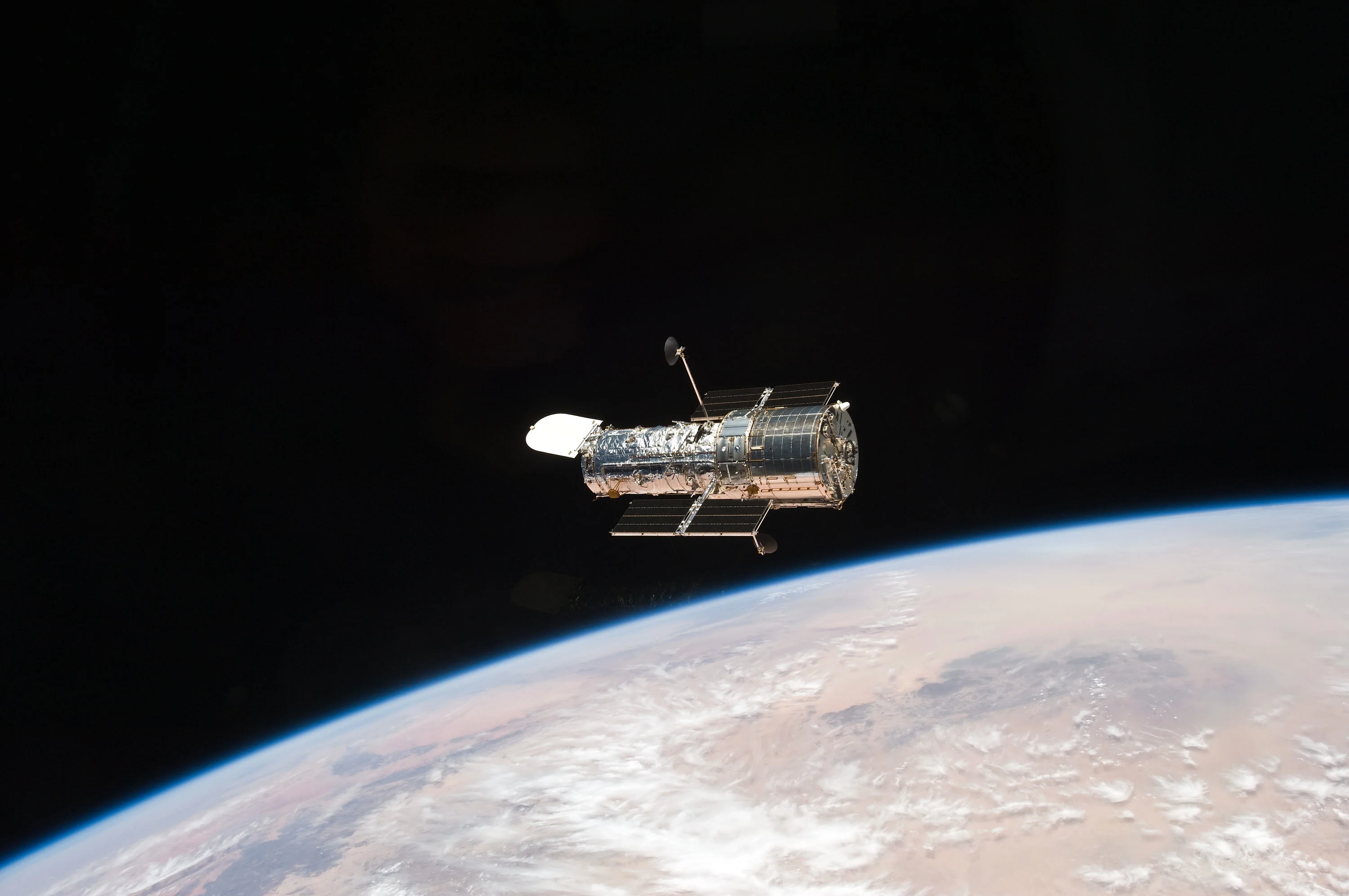
Hubble Space Telescope
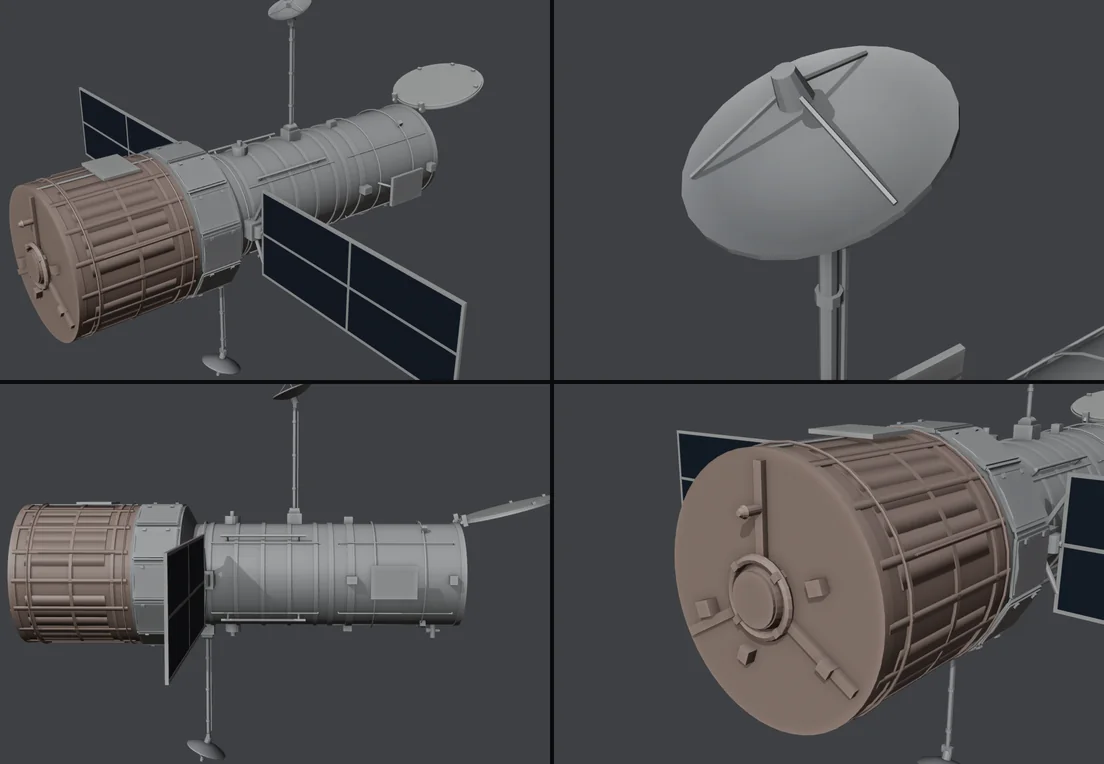
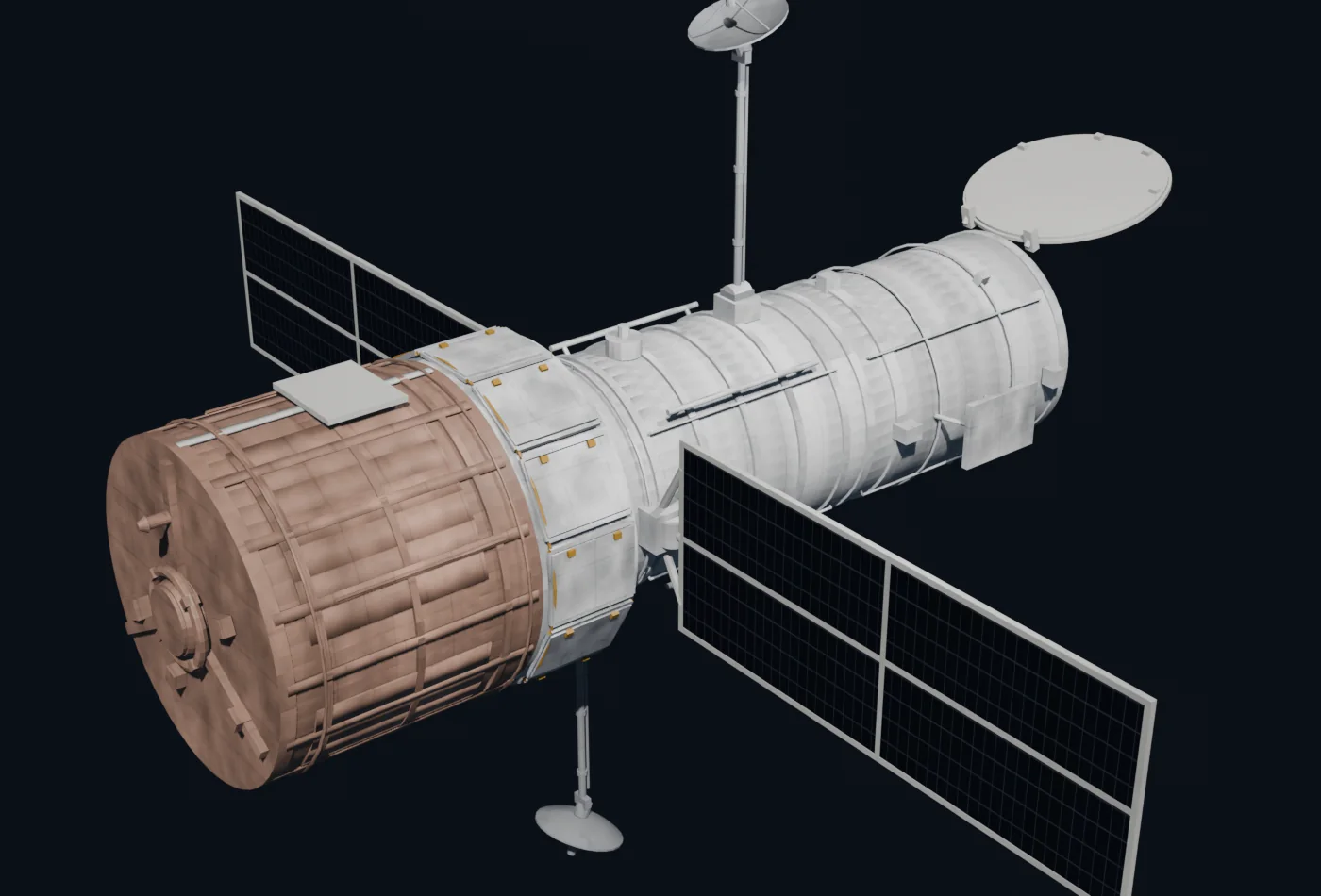
Orbit the eight production meshes, inspect the same geometry in wireframe, and see the exact LOD0 delivered to Unity without its separately named collision proxies.
BLENDER BRIDGE 0.7.1 · ALPHA
Frontier AI models use Blender itself: researching real subjects, authoring editable geometry with native tools, measuring the result, inspecting rendered evidence, and repairing defects through as many revisions as the work needs.
Not text-to-mesh. The AI does the modelling work inside Blender. The retained .blend, scripts, measurements, failures and acceptance evidence stay with the project.
One Hubble · six inspectable stages
This is not text-to-mesh generation. A frontier model researched a specific post-2009 Hubble, planned the work, opened Blender, wrote native geometry, inspected the result, repaired it and delivered editable production artifacts. Open each stage to see the retained evidence.
The research packet froze the flown configuration, gathered NASA and ESA sources, and separated published measurements from photo-derived inferences. It even caught a source conversion error: 43.5 ft is 13.26 m, not the 15.9 m printed in one guide.
Boundary kept: no invented branding, internal optics or science instruments.
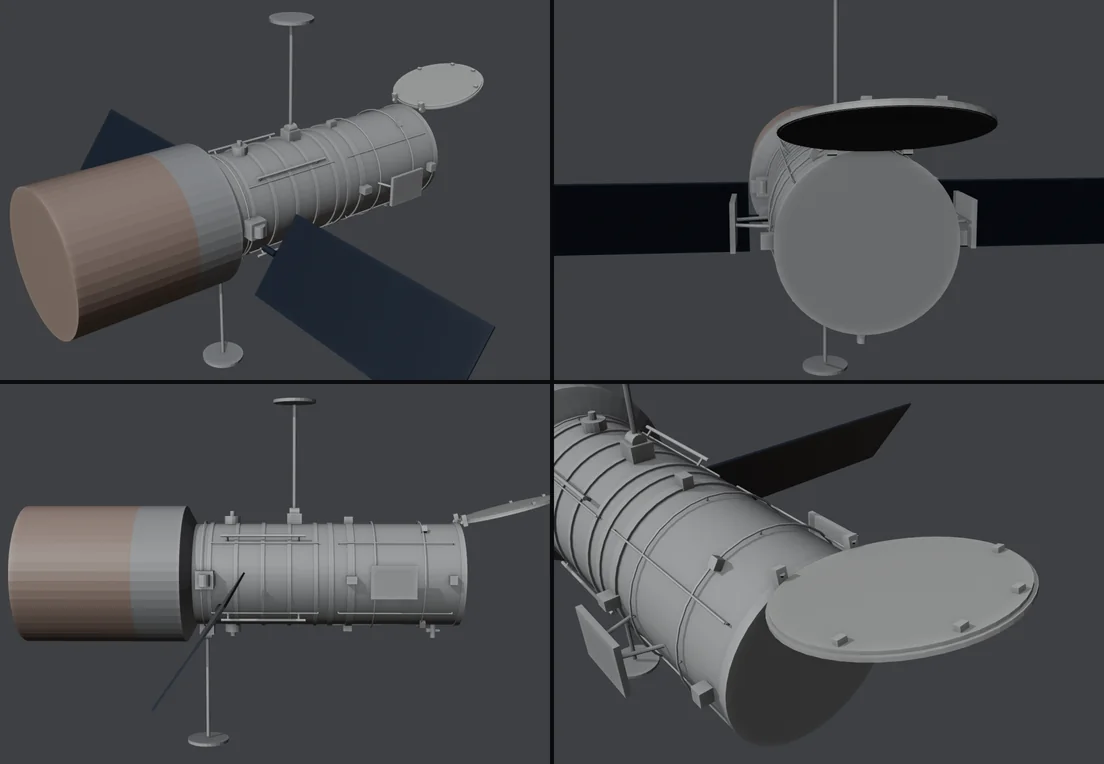
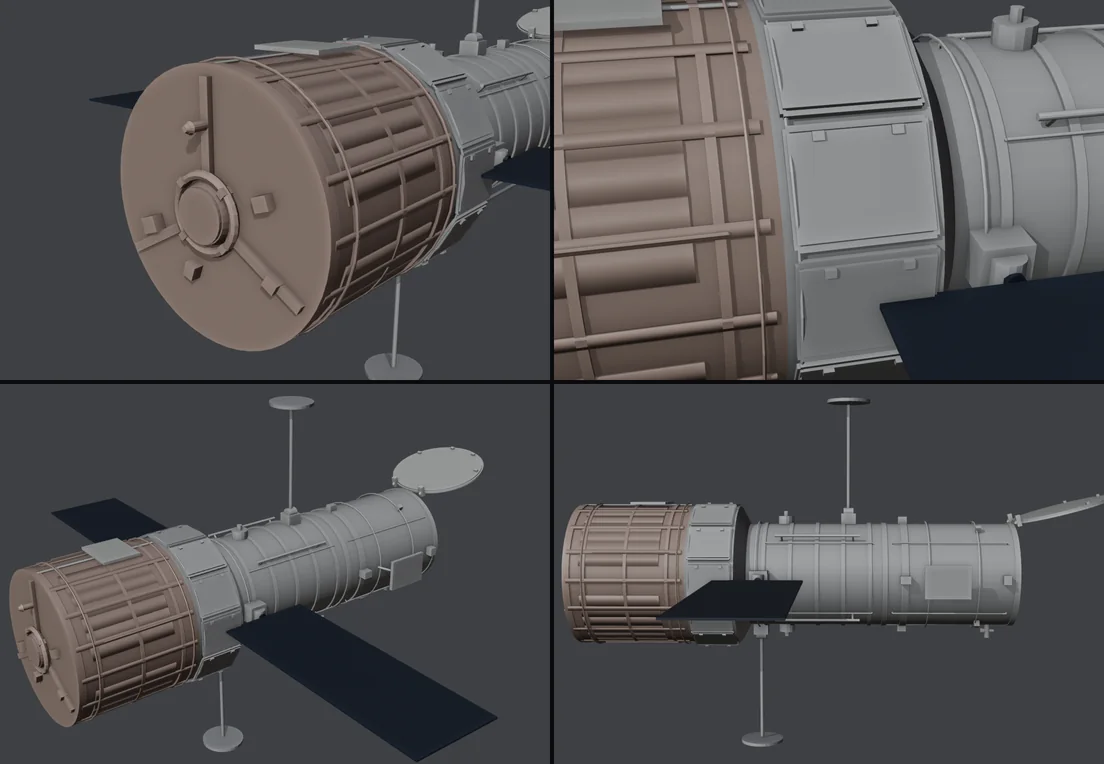
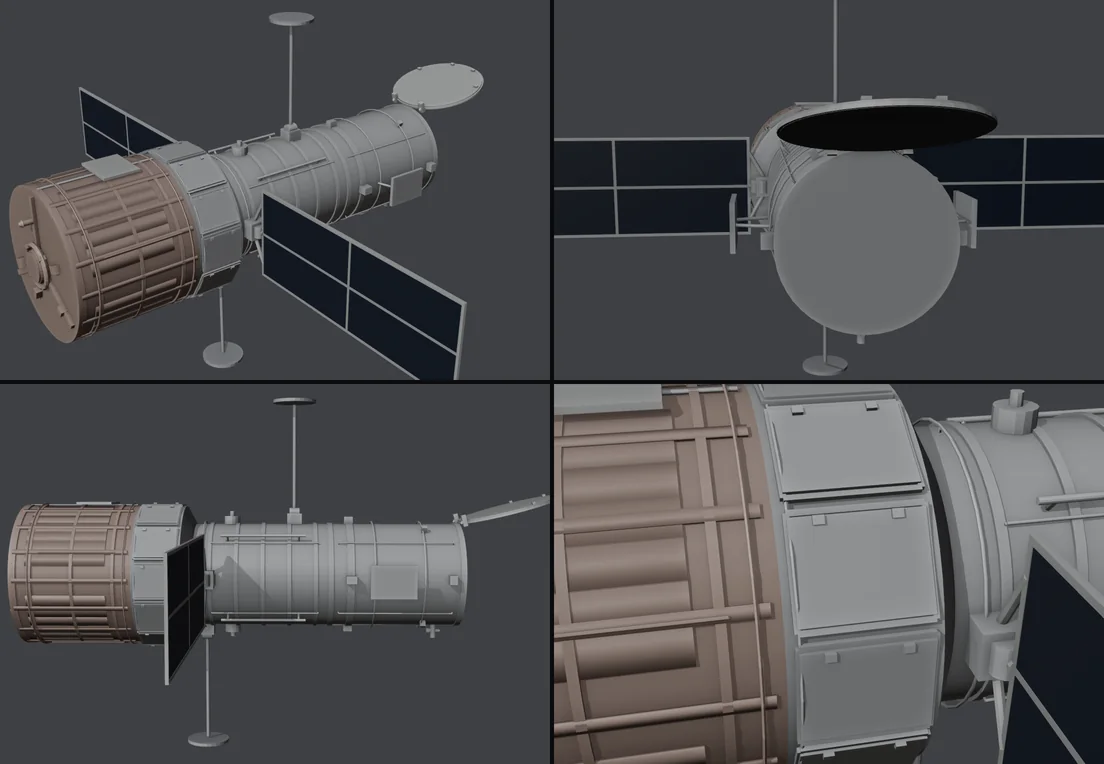
The telescope was divided into blockout, forward shell, light shield, equipment section, aft shroud, solar arrays, antennas, interfaces, collision and game hierarchy. Each piece could be inspected and accepted before it entered the master assembly.


Alepou connects the durable task to a session-owned Blender instance. Authored commands run through Blender's timer on its main thread, while requests, results and recovery snapshots remain visible outside the application.
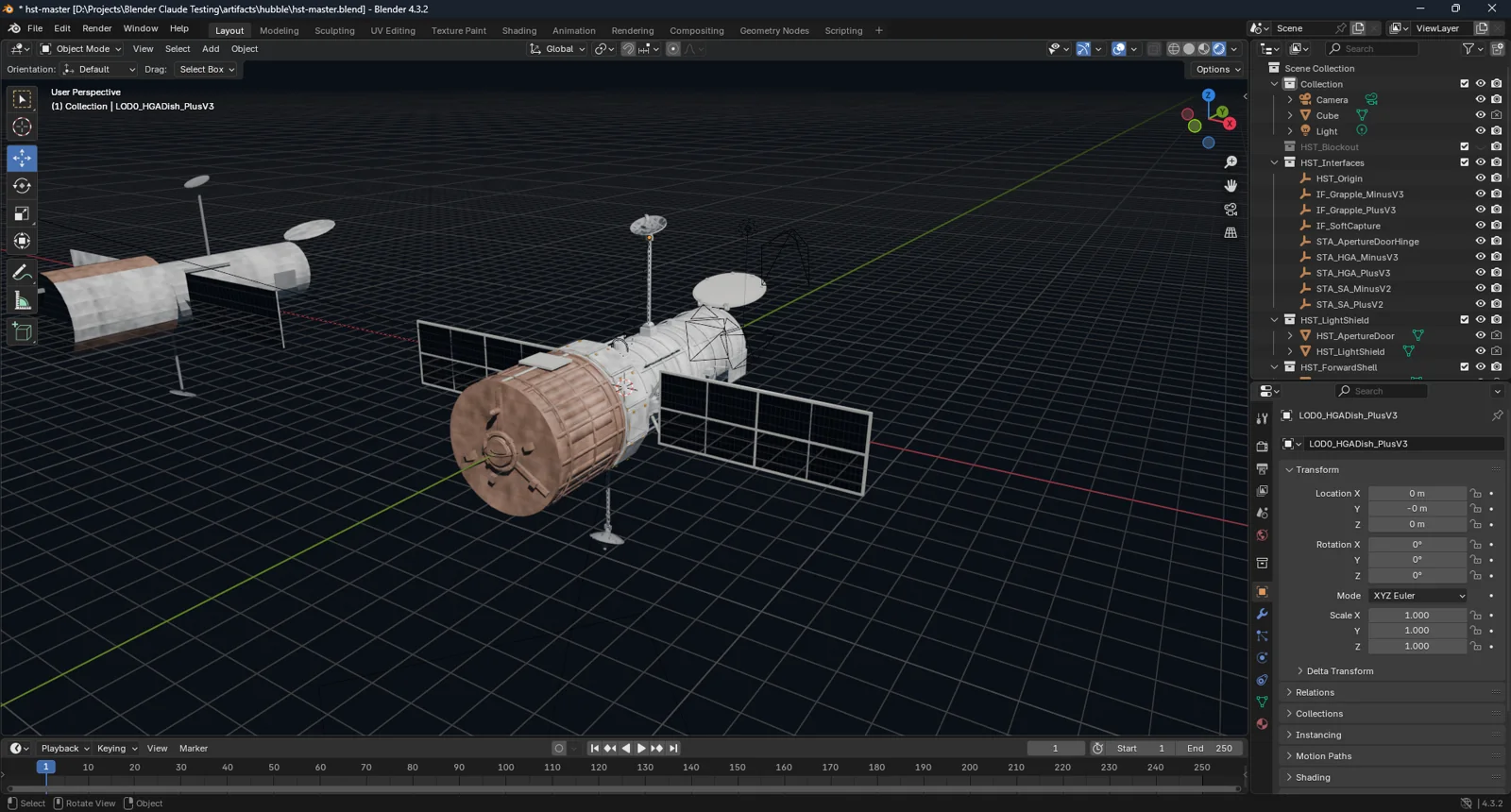
This is a real Blender viewport from the accepted project, not a reconstruction of its UI. The native collections, named parts, material state and editable assembly remain visible to both the model and the human reviewer.
# Built closed, then baked into a hinge-local frame.
hinge = Vector((0.0, Y_NOSE, R_FWD * DOOR_HINGE_Z))
hinge_frame = Matrix.Translation(hinge) @ aim_z((1.0, 0.0, 0.0))
p = Part()
p.cyl(DOOR_D * 0.5, DOOR_T, axis="Y", segments=SEG)
bmesh.ops.transform(p.bm, matrix=hinge_frame.inverted(),
verts=p.bm.verts[:])
door = p.finish("HST_ApertureDoor", matrix=
hinge_frame @ Matrix.Rotation(radians(DOOR_OPEN), 4, 'Z'))
The model wrote ordinary Blender Python and BMesh code for geometry, materials, hierarchy, articulation, LOD generation, collision, inspection renders and export. The bridge records execution; it does not replace Blender with a miniature AI-only modelling language.
Download the retained scripts 69 KB ZIPThe local submission helper and session target were excluded from the public archive. The authoring and verification code is complete.

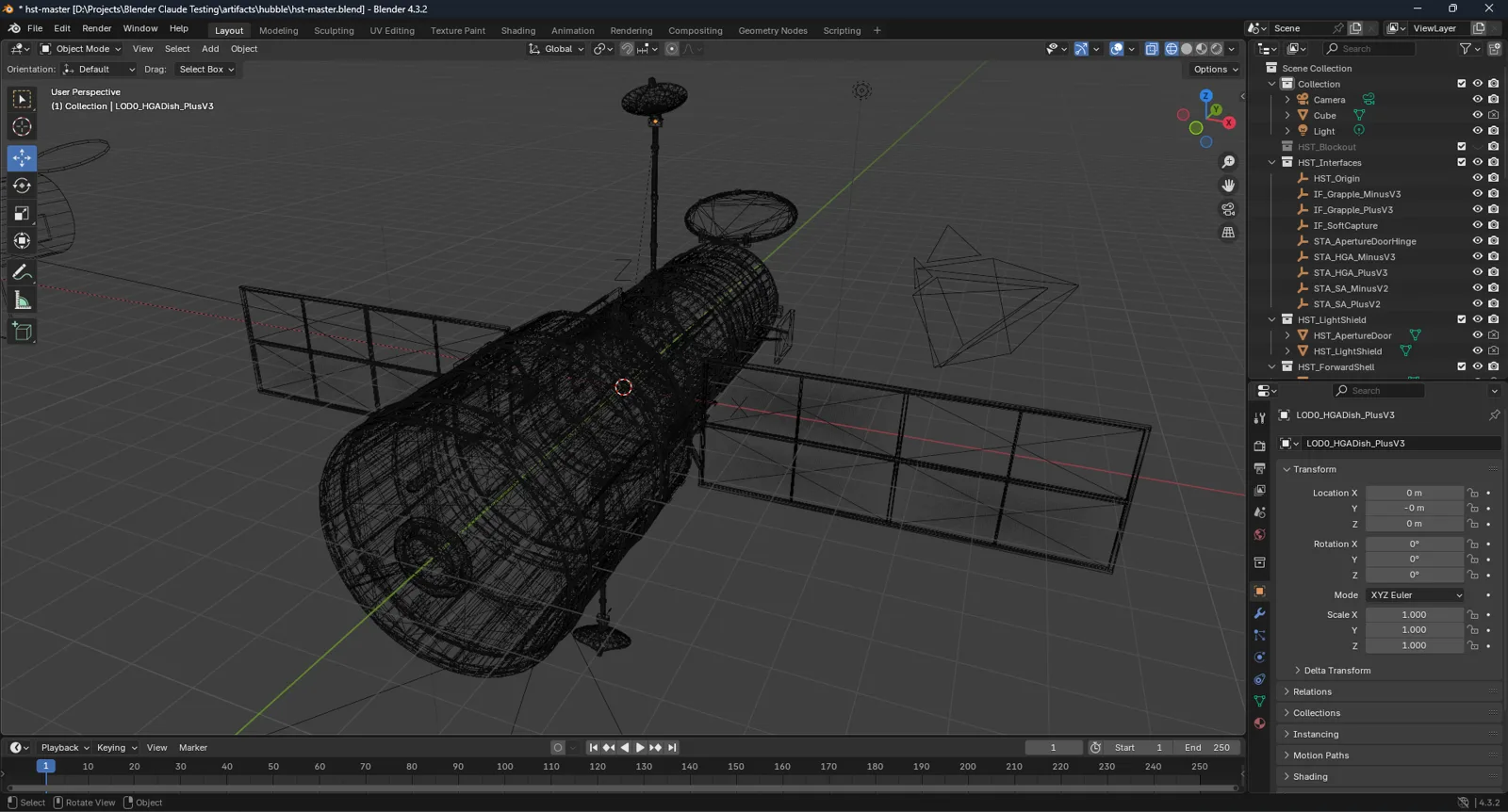
The bridge inspected the actual scene in rendered and wireframe views while exact queries checked LOD0 geometry, collision and export drift. When a photo-fit could not uniquely constrain the full solar span, the process stopped inferring and retained NASA's published 7.1 m wing dimension.
The handoff contains the master .blend, component sources, LOD exports, textures, collision, pivots and measured interface empties. It also says what remains inferred: the aperture-door hinge side is photo-derived, solar-yoke stand-off is inferred, and internal optics were deliberately not modelled.
Orbit the eight production meshes, inspect the same geometry in wireframe, and see the exact LOD0 delivered to Unity without its separately named collision proxies.
The difference is focused attention
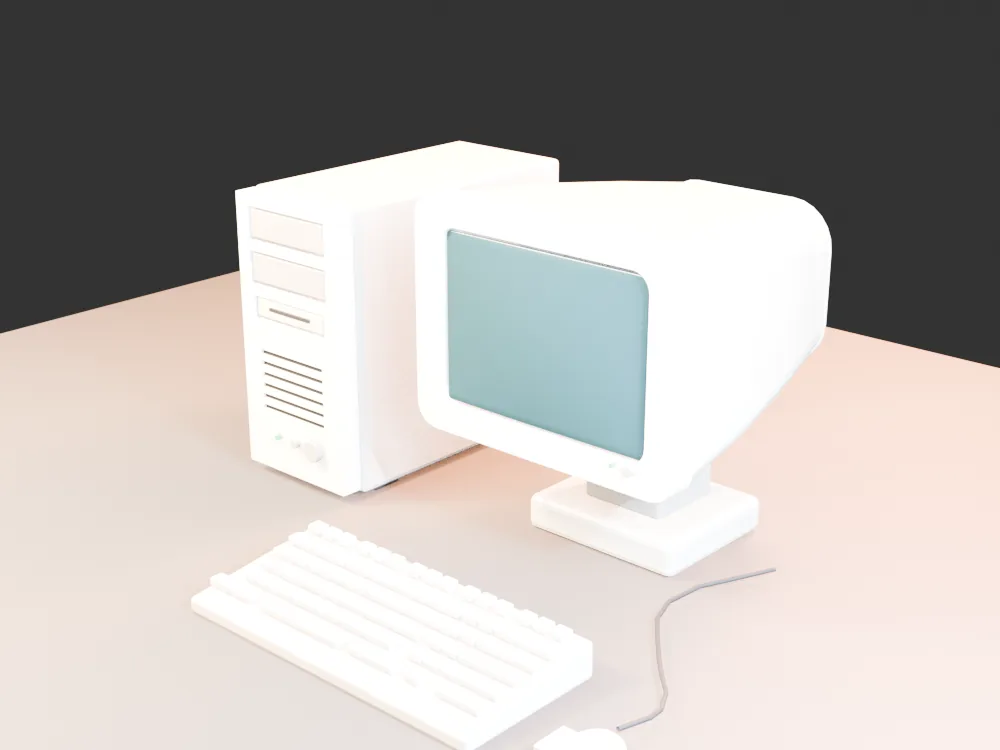
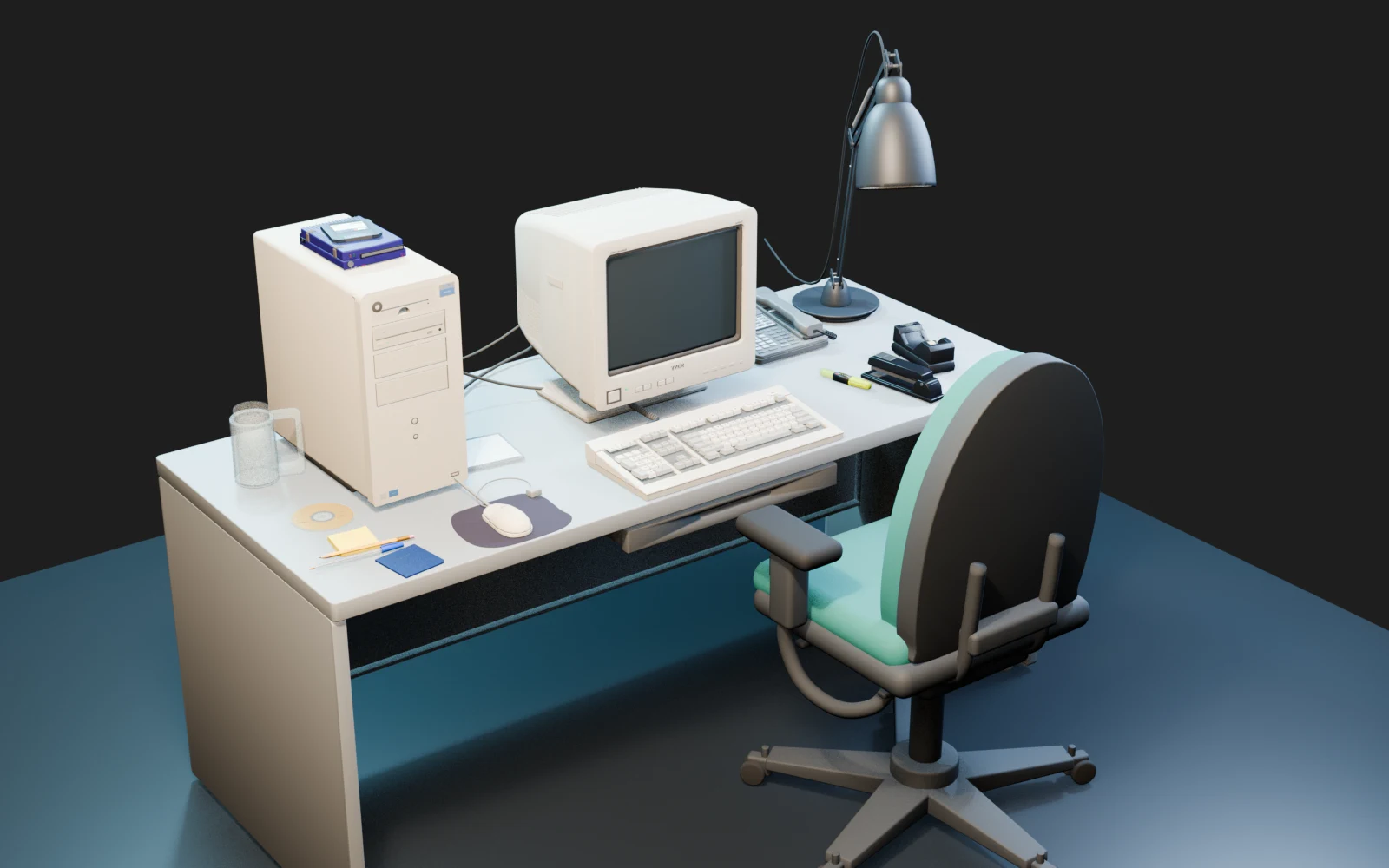
Codex 5.6 sol at xhigh effort first produced a recognisable but generic computer from a broad task. The later workflow gave the same model focused research and separate acceptance tasks for the mouse, keyboard, display and tower before assembly.
BROAD TASK
FOCUSED COMPONENTS
This is production evidence, not a controlled benchmark. Prompts, research, iteration and presentation evolved too. Both scenes were authored natively in Blender; the stronger result came from sources, task decomposition, exact and visual review, and protected assembly.
The Unity scene, rebuilt as a web exhibit
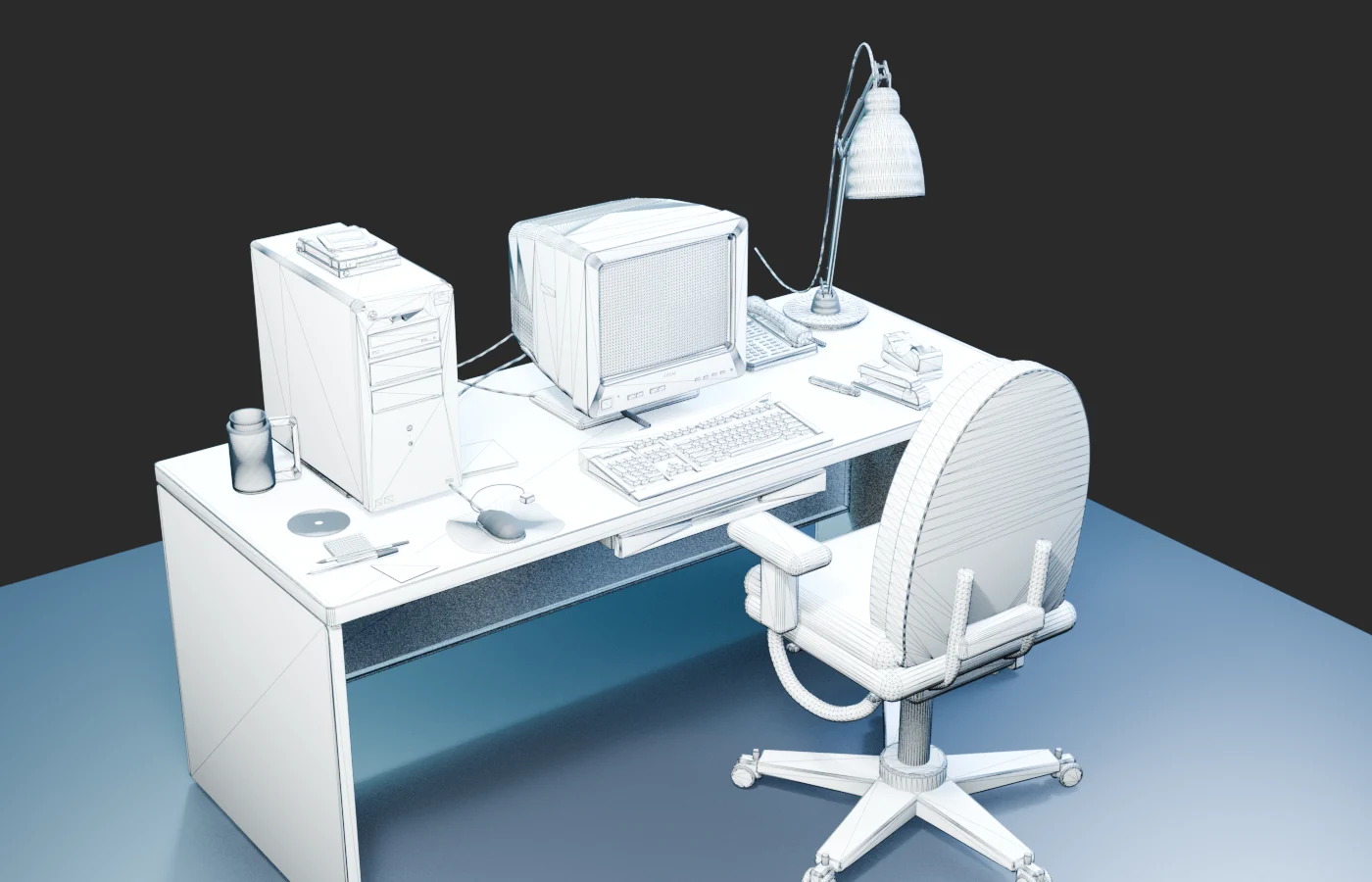
This is the actual researched production geometry, reassembled from the Unity scene contract and exported from the accepted Blender source. It is not a generated mesh, a lower LOD, or a flattened turntable.
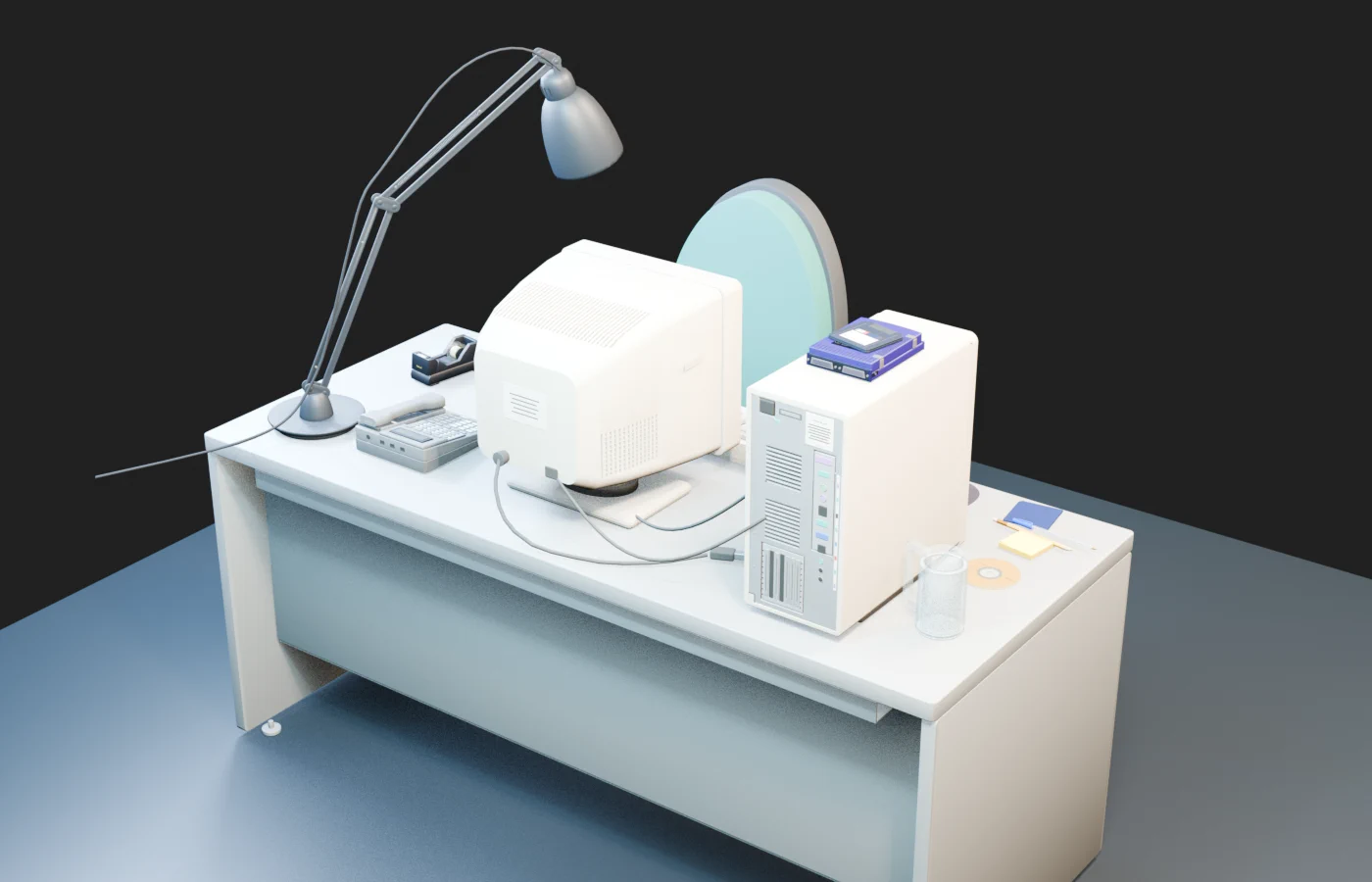
Front-facing hero by default. Orbit for the sides and rear; switch to wireframe to inspect the same geometry.
The freestanding organiser visible in the wider Unity room remains preserved in the source project, but it is excluded from this desk exhibit because it is not part of the workstation composition. The rear image is evidence, not the default hero angle.
One project, many accepted components
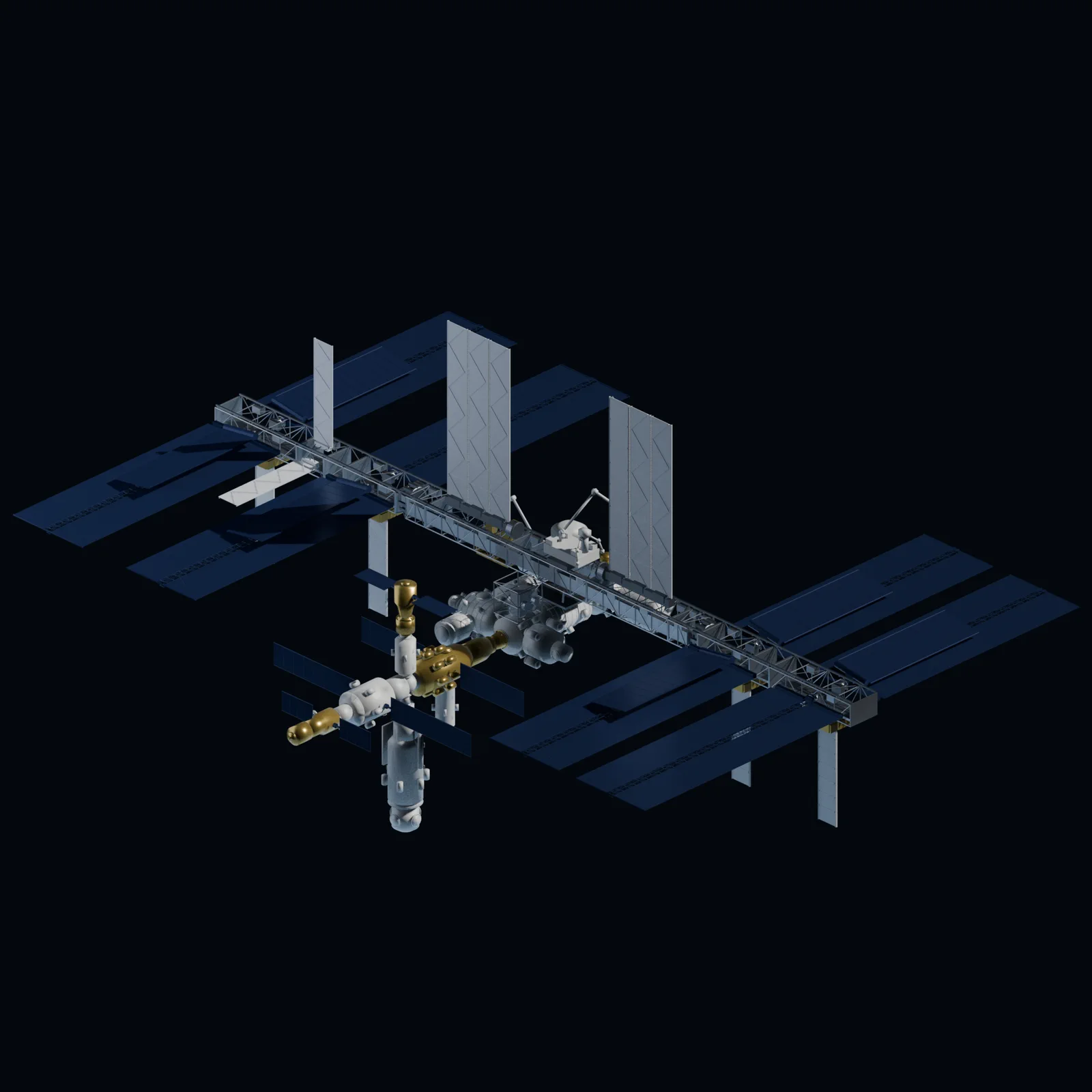
Claude Opus 5 at xhigh effort authored the station through 23 commit-linked tasks. NASA sources fixed the scale and current configuration: Nauka, Prichal, BEAM, Bishop and six iROSAs are present; Pirs is gone; Zarya's wings are furled. Components were researched, modelled and accepted before final assembly.
Visual and exact review found real problems: truss proportions, weak array span, radiator attachment, docking interfaces, overlapping modules, an upside-down Cupola, Russian-segment collisions, and an undersized Canadarm. Those defects were repaired before the master artifact was accepted.
Master skeleton, scale + interfaces
DONETruss, arrays, modules, robotics + radiators
ACCEPTEDMaster assembly, repairs + presentation
ACCEPTEDCensus, current configuration + articulation
TESTEDUVs, shared atlas, hierarchy + LOD validation
VERIFIEDFinal three-tier delivery package
DONEWhen one Blender session closed before the scene was saved, the recorded component scripts made recovery possible. The scene was rebuilt from the audited authoring record rather than guessed back into existence.
Orbit the complete current-era station, inspect the module and truss relationships, then switch the same 161,312-triangle geometry into wireframe.
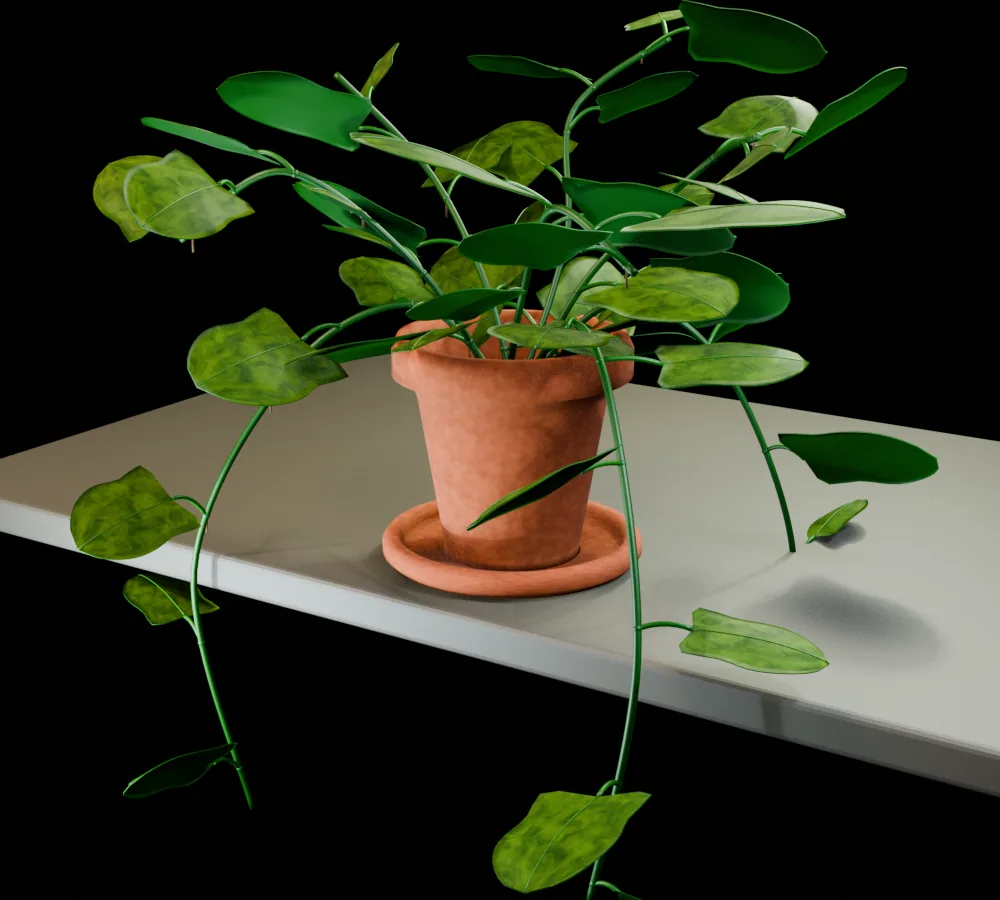
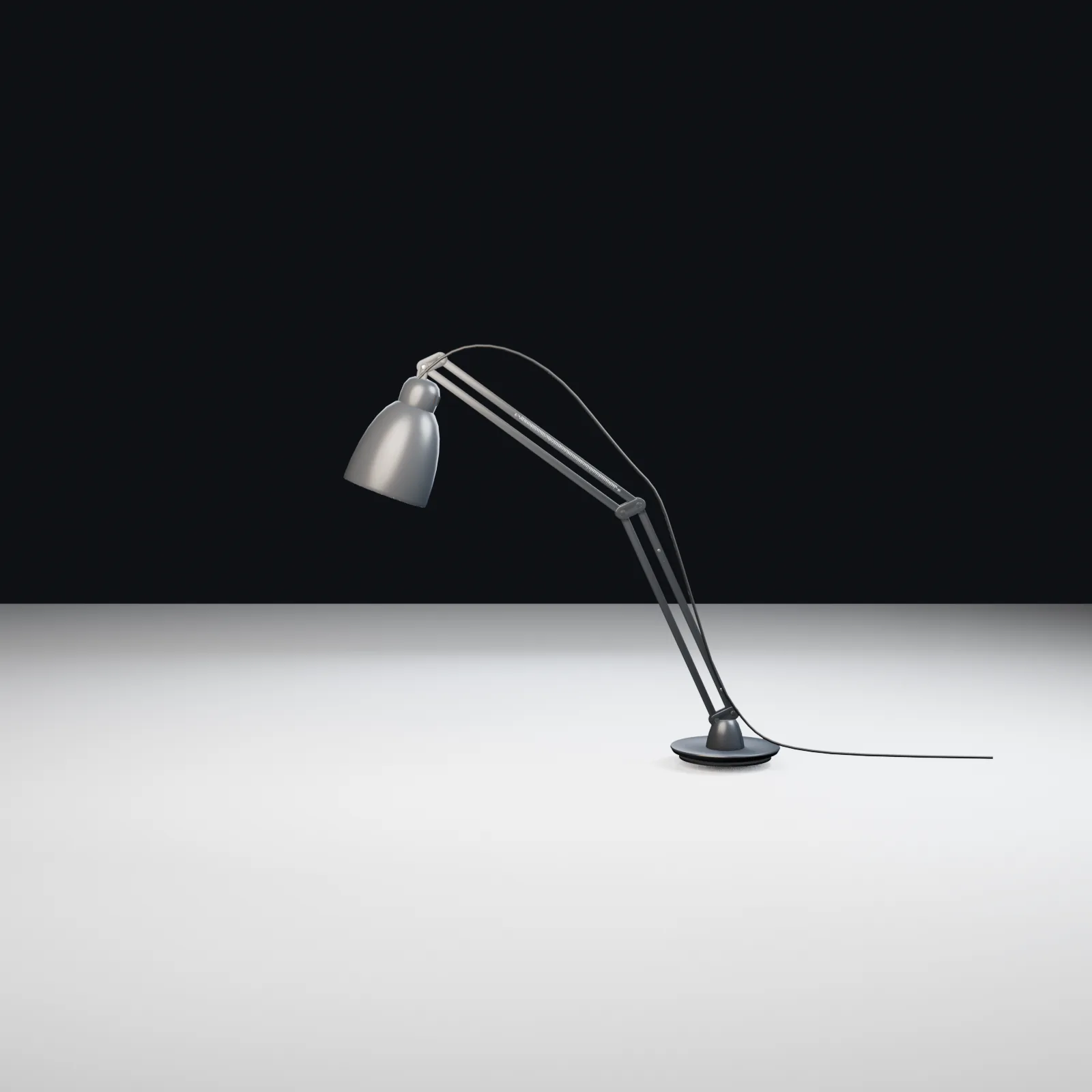
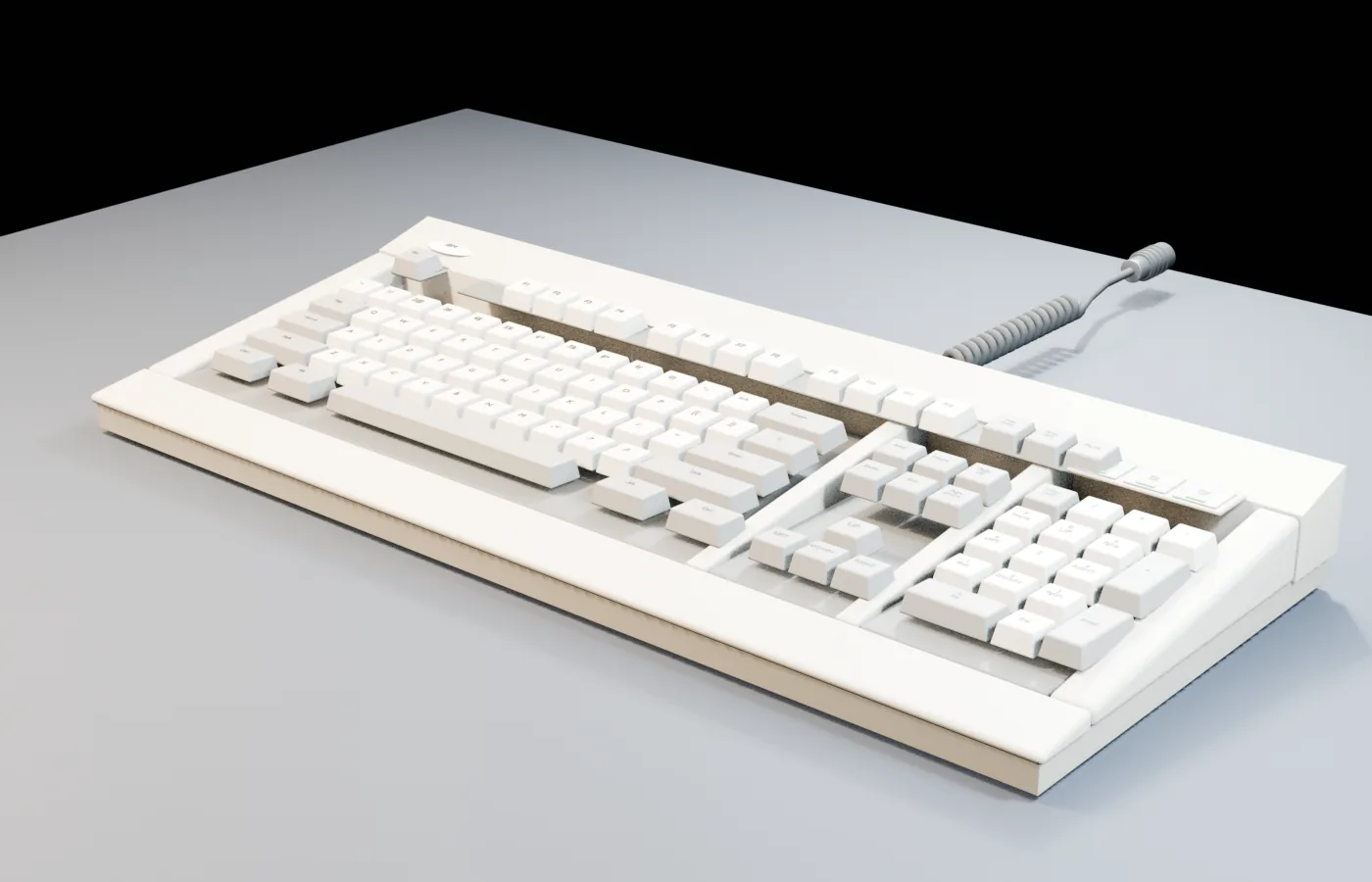
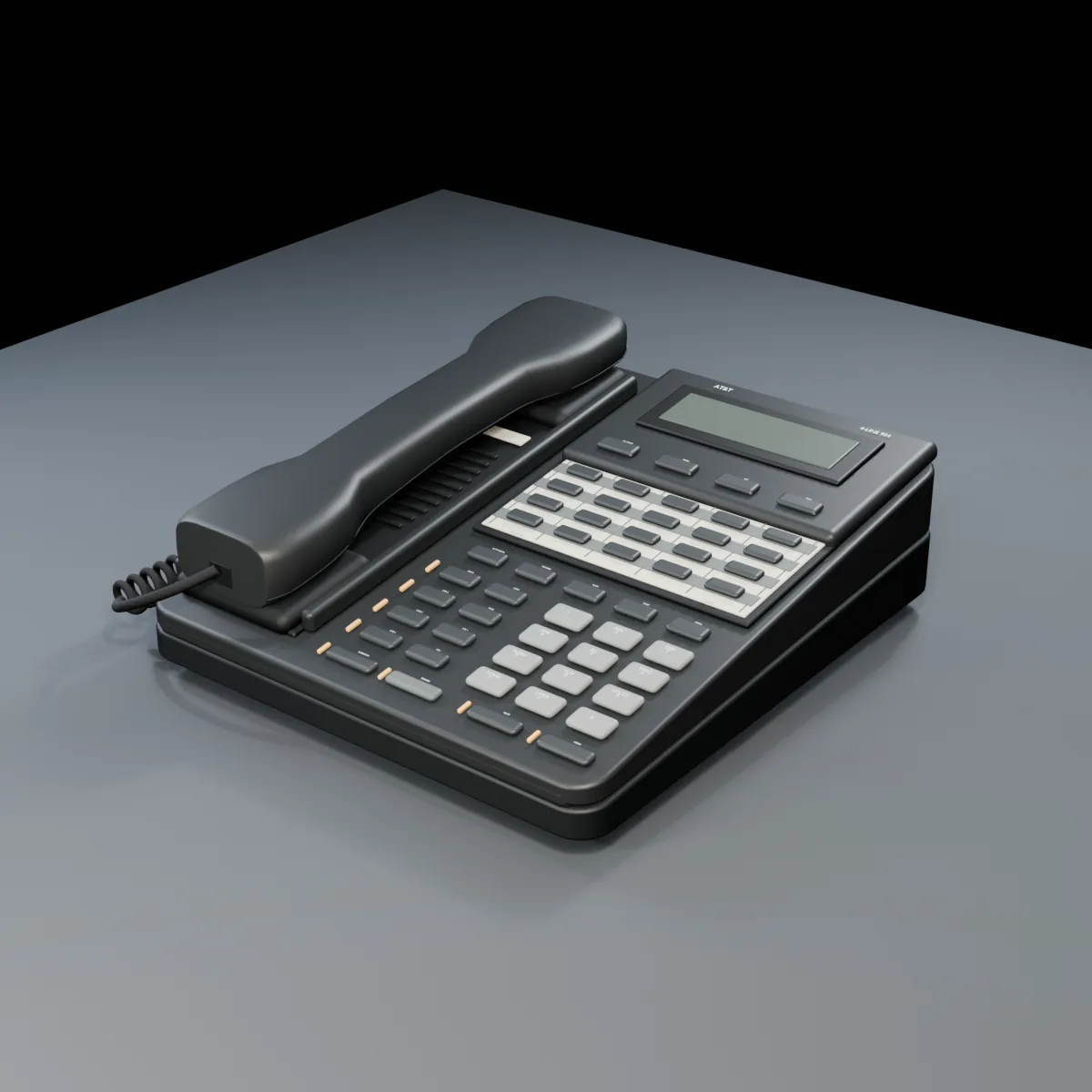
Retained 90s Office production evidence
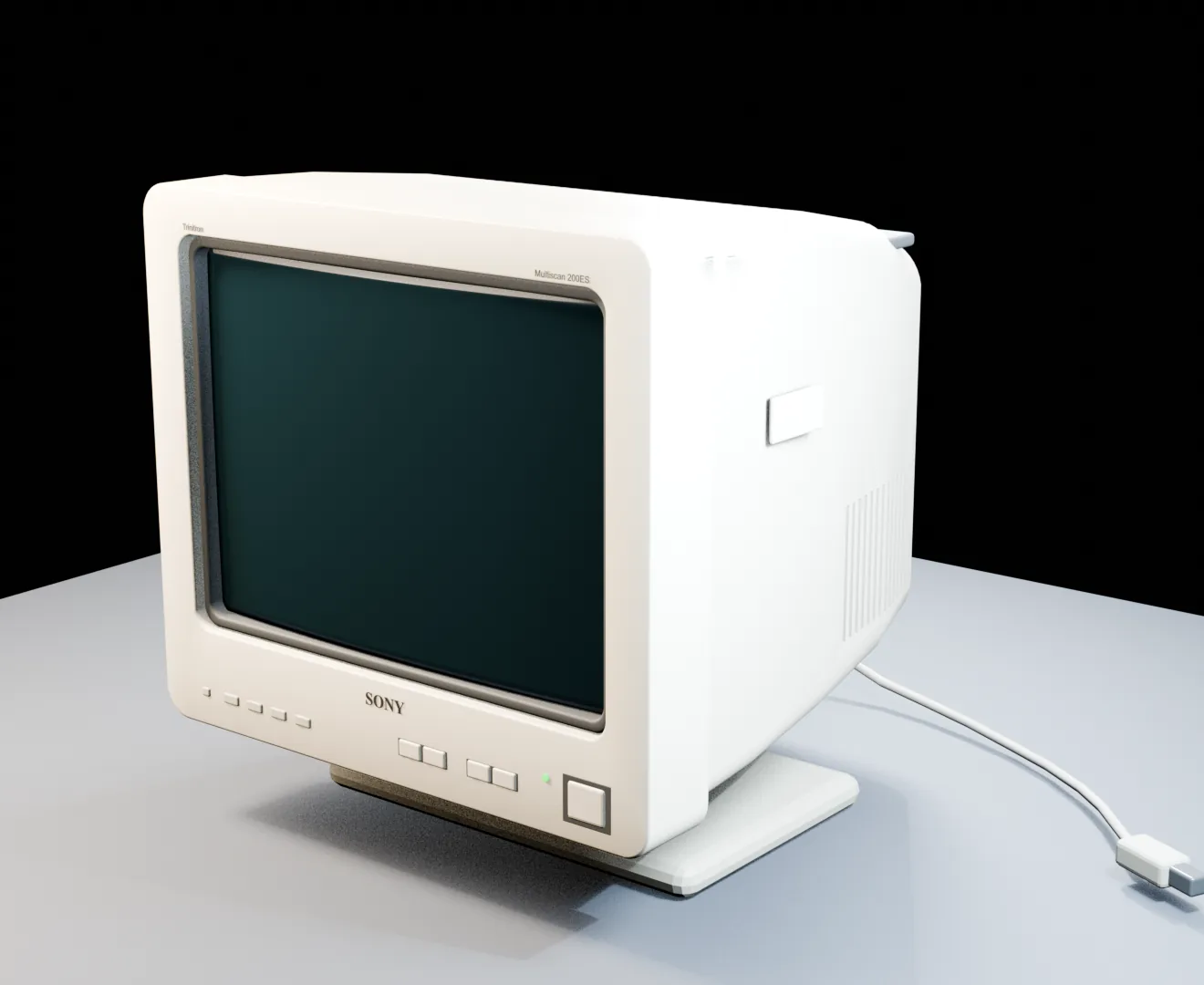
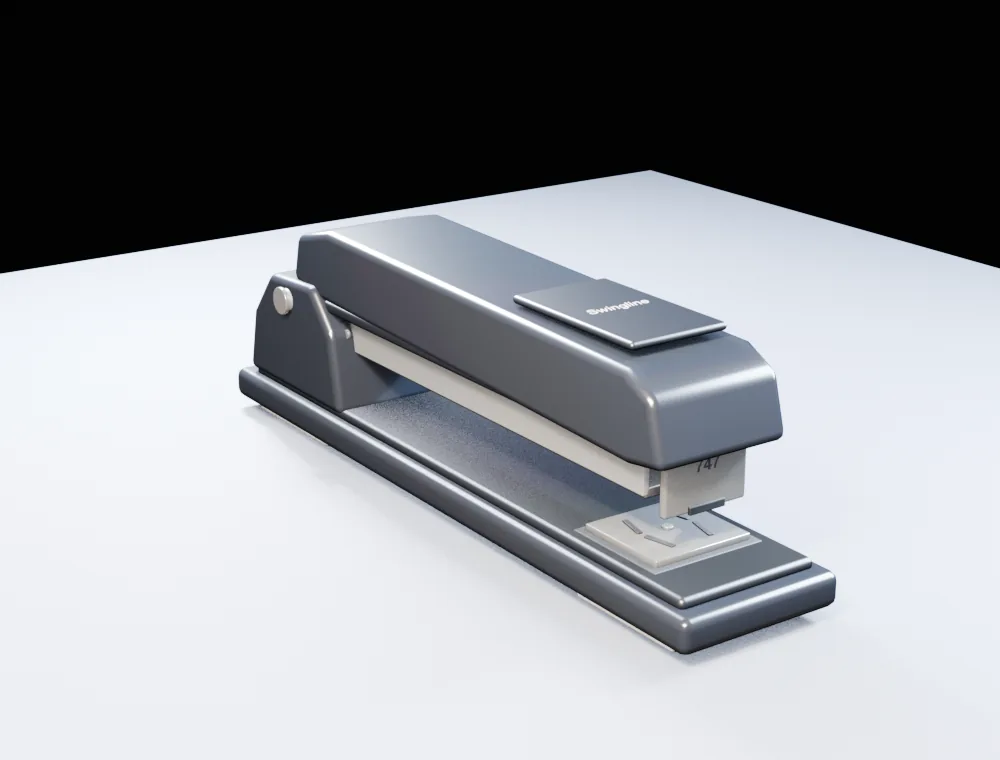
Codex 5.6 sol at xhigh effort authored these accepted LOD0 production meshes inside a 90s Office project built across hundreds of commit-linked tasks. Orbit, pan and zoom the rendered result, then switch the same geometry into wireframe. The original .blend files remain the editable sources handed forward to Unity.
Orbit the full canopy, inspect the trailing vines, then switch the same geometry into wireframe.
Move around the accepted silhouette and inspect the sprung arms, yoke, cap, shade, pivots and cable.
Both exhibits are the accepted LOD0 geometry, not decimated substitutes. Rendered and wireframe are two browser views of the same loaded meshes; the original editable .blend sources and the Unity delivery provenance remain retained.
Local, inspectable architecture
A project carries a compact file contract under plan/blender/. Observations are bounded and mutations are recorded. Blender executes authoring work from its main-thread timer, while Alepou tracks the originating session, terminal result, recovery state, and evidence.
Local Trusted Development is powerful delegated authority, not a security sandbox. It belongs on trusted projects with version control, explicit session ownership, and acceptance based on evidence rather than a successful command alone.
Read the bridge architecturebridge-health.jsonfreshness + ownershipscene-summary.jsoncompact scene statequeries/pending/bounded observationcommands/pending/recorded mutationapplied · failed · rejectedterminal outcomeEngineering proof · hidden ground truth
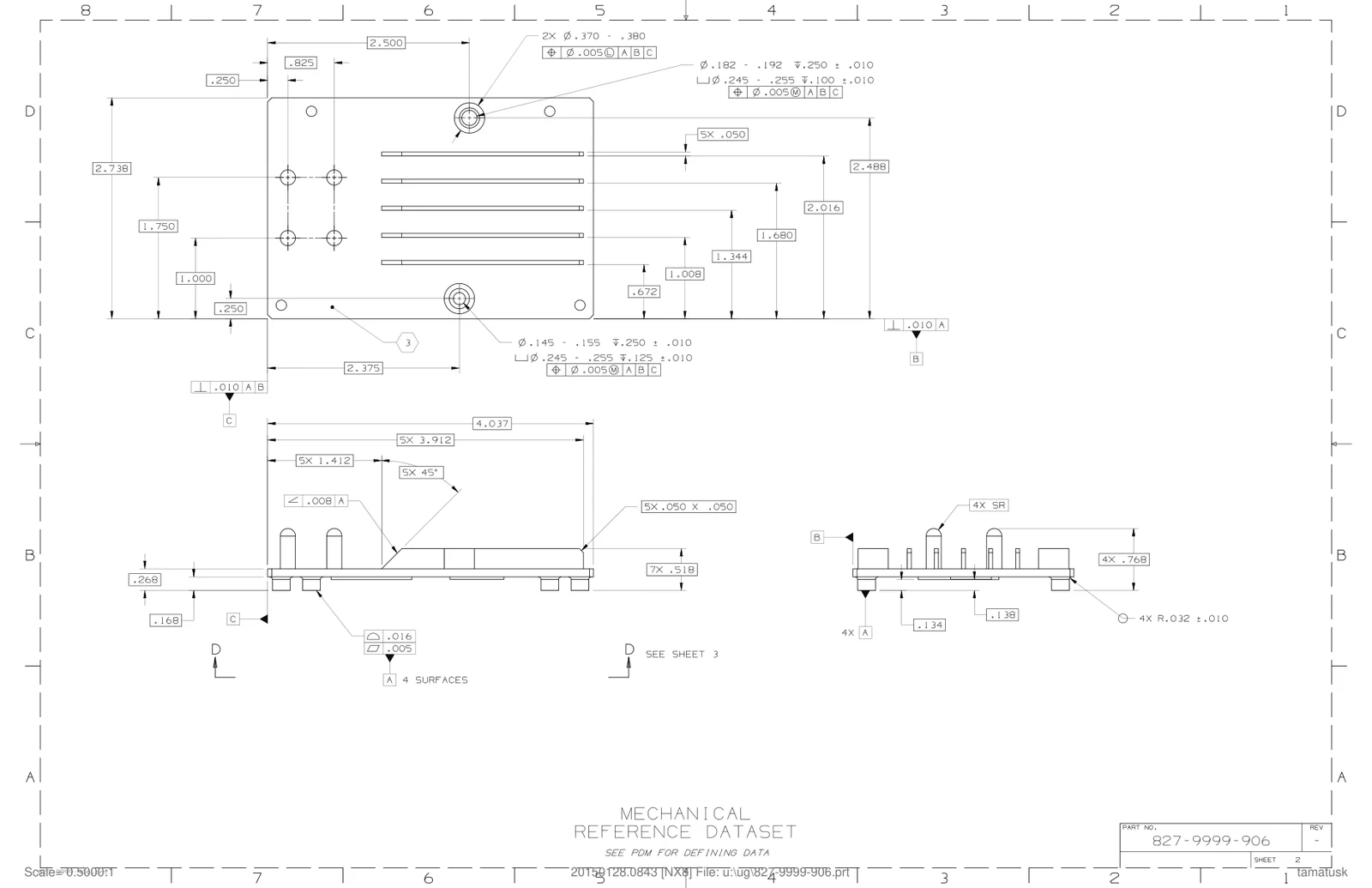
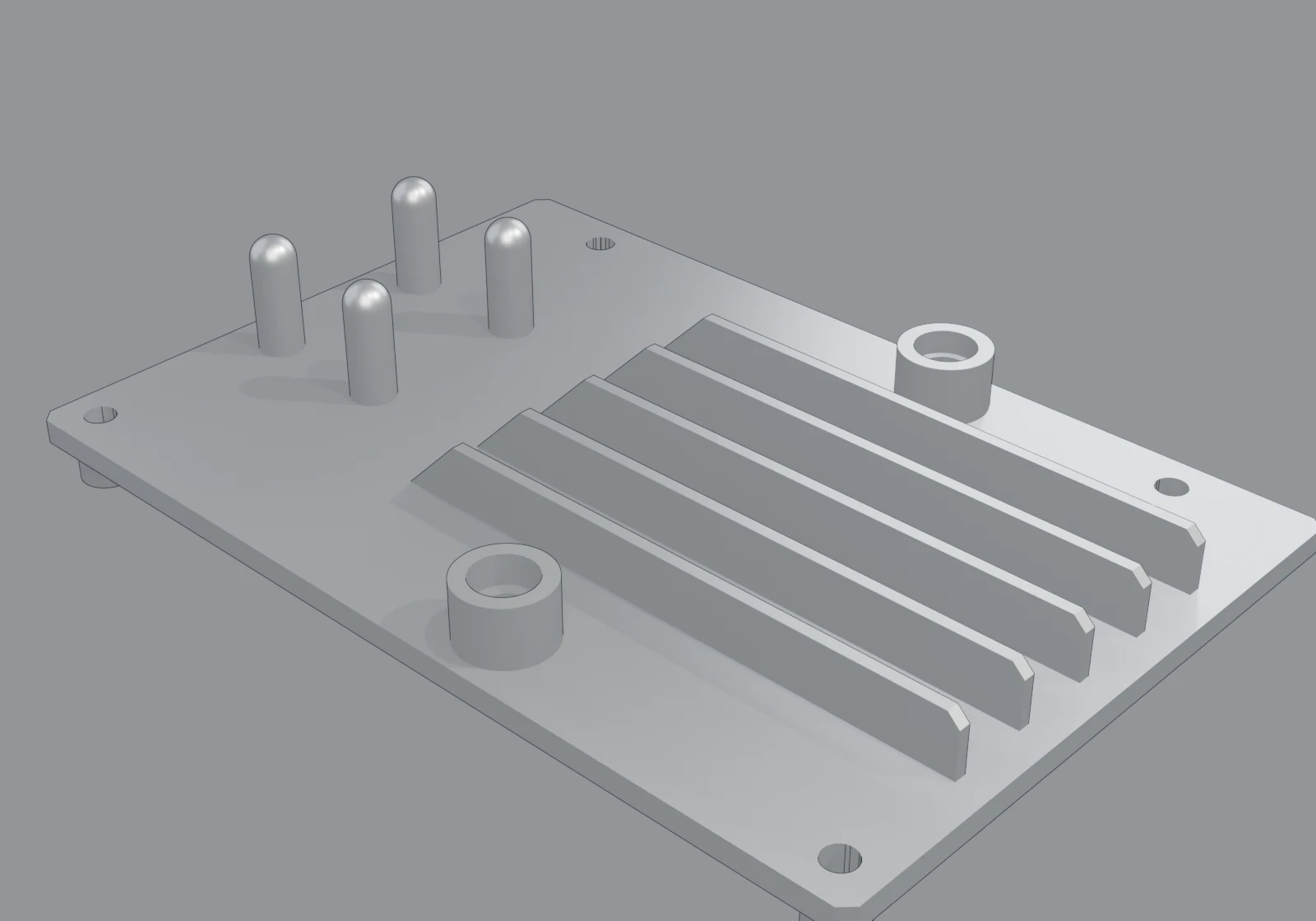
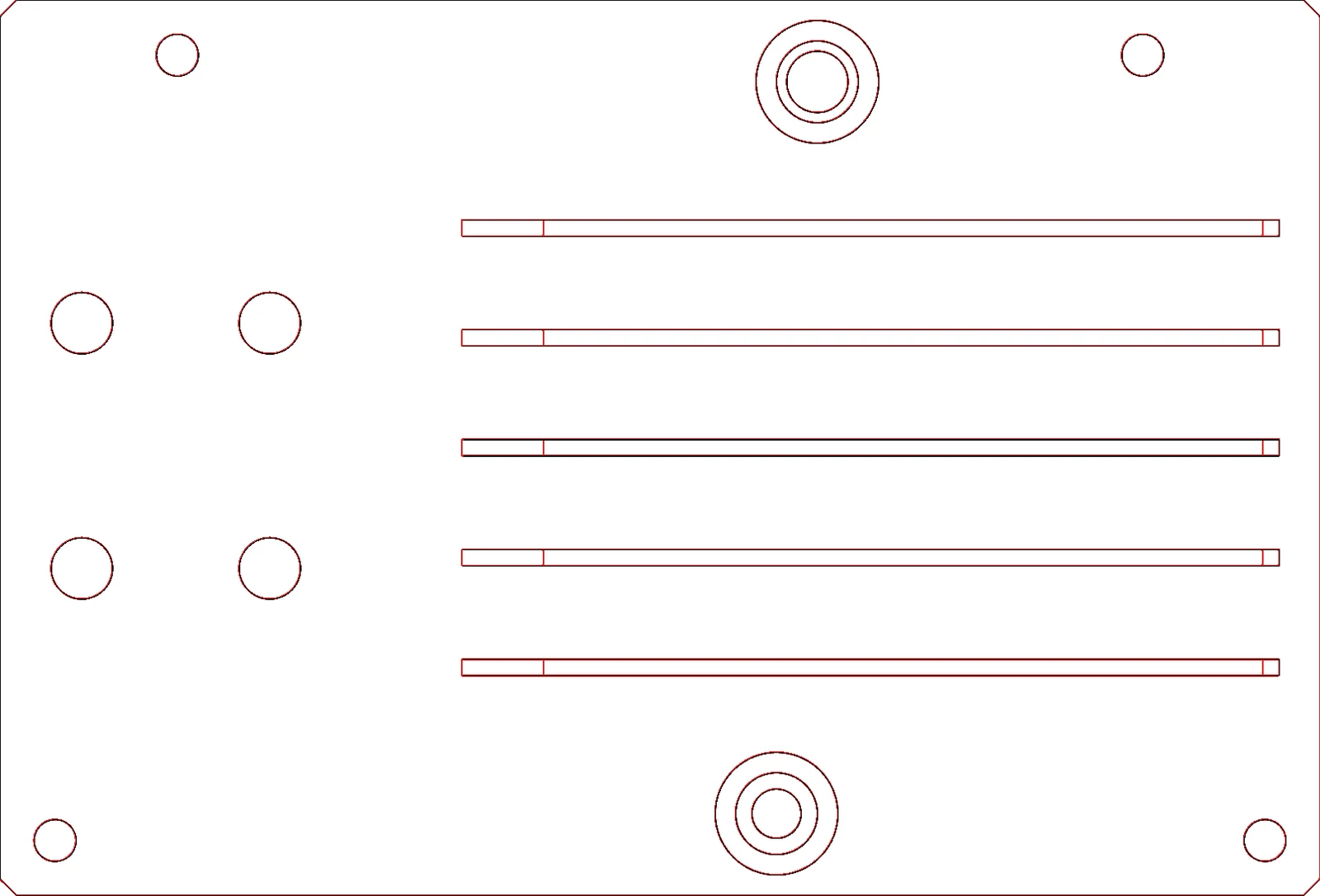
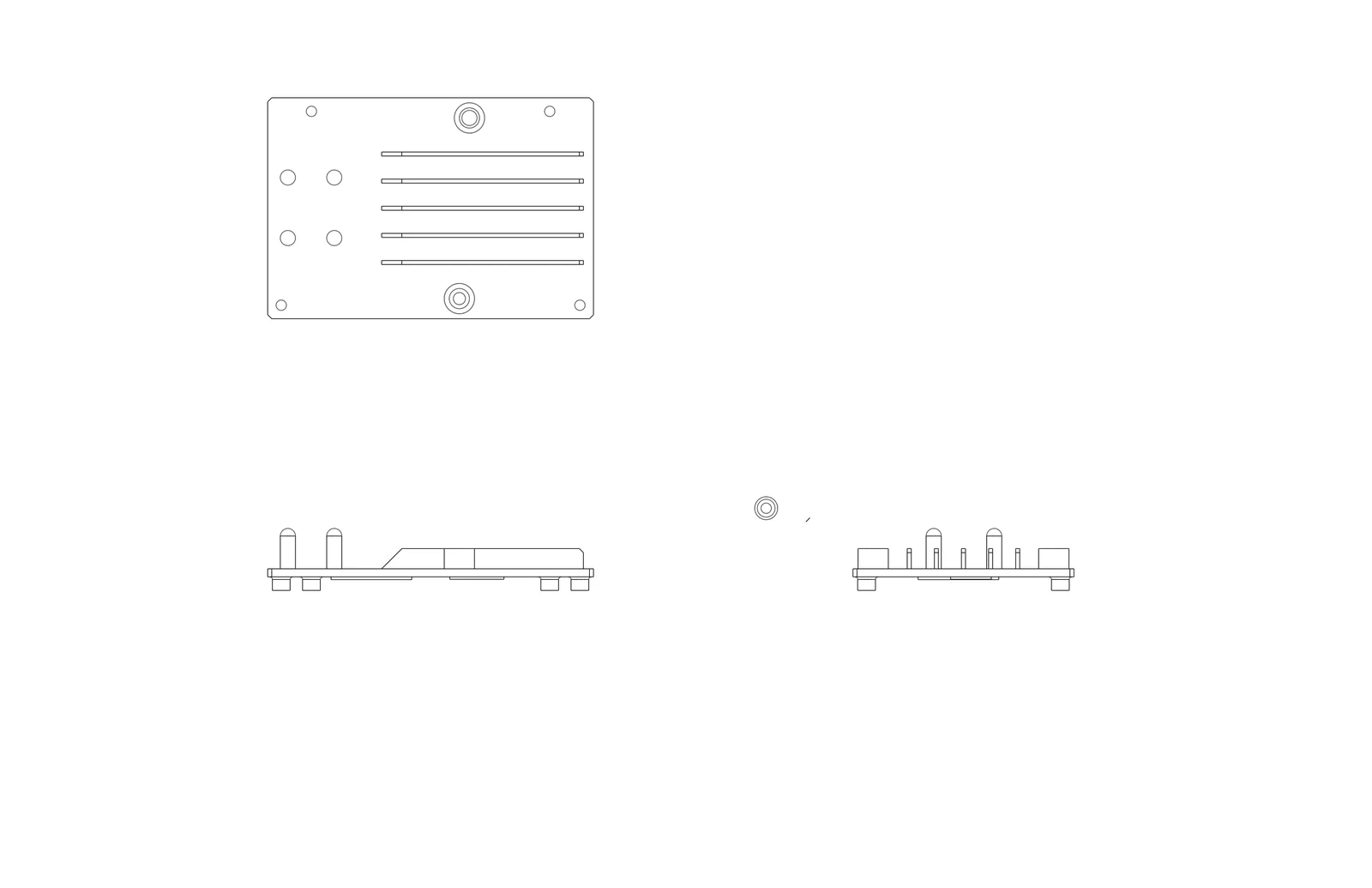
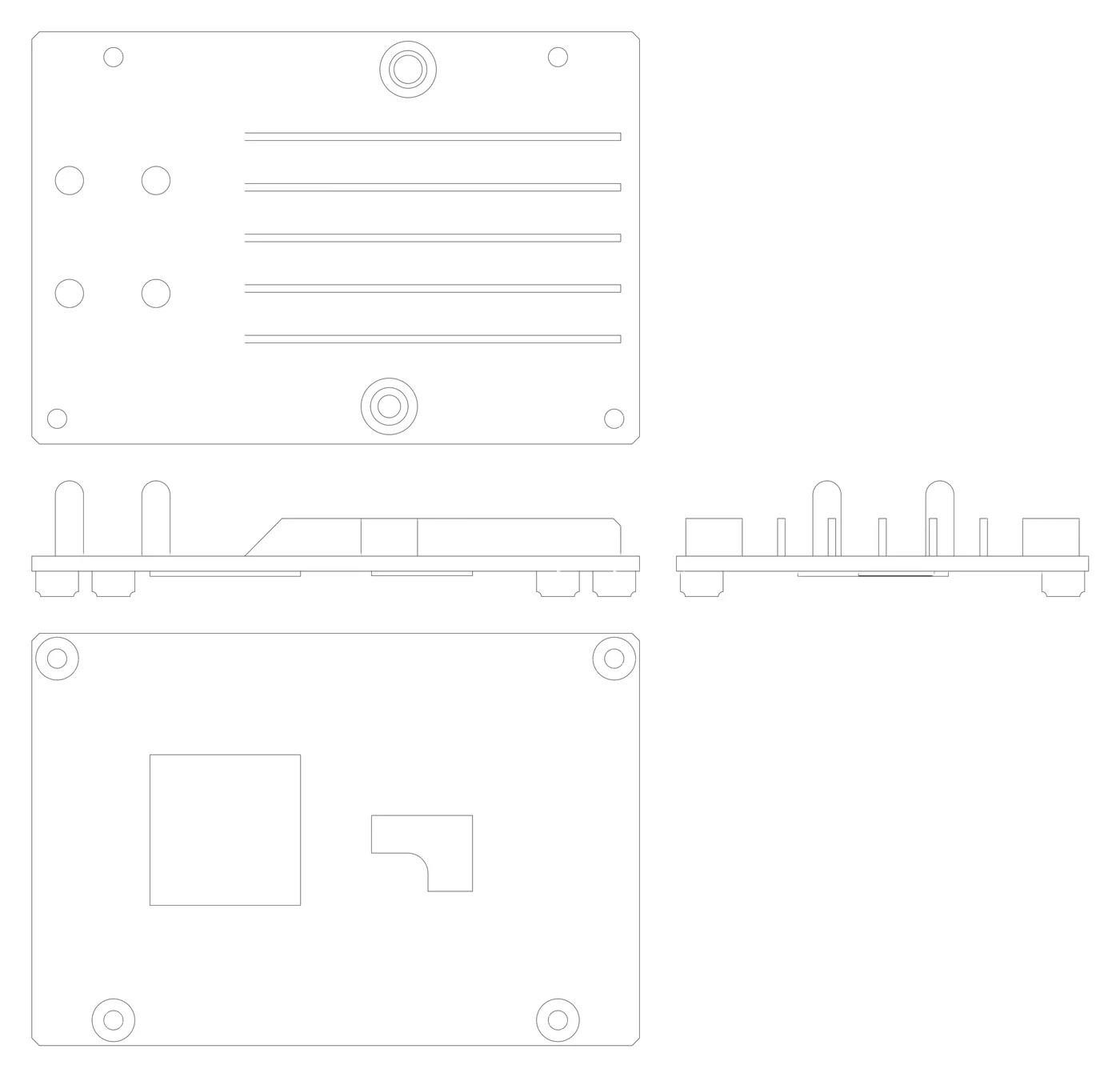
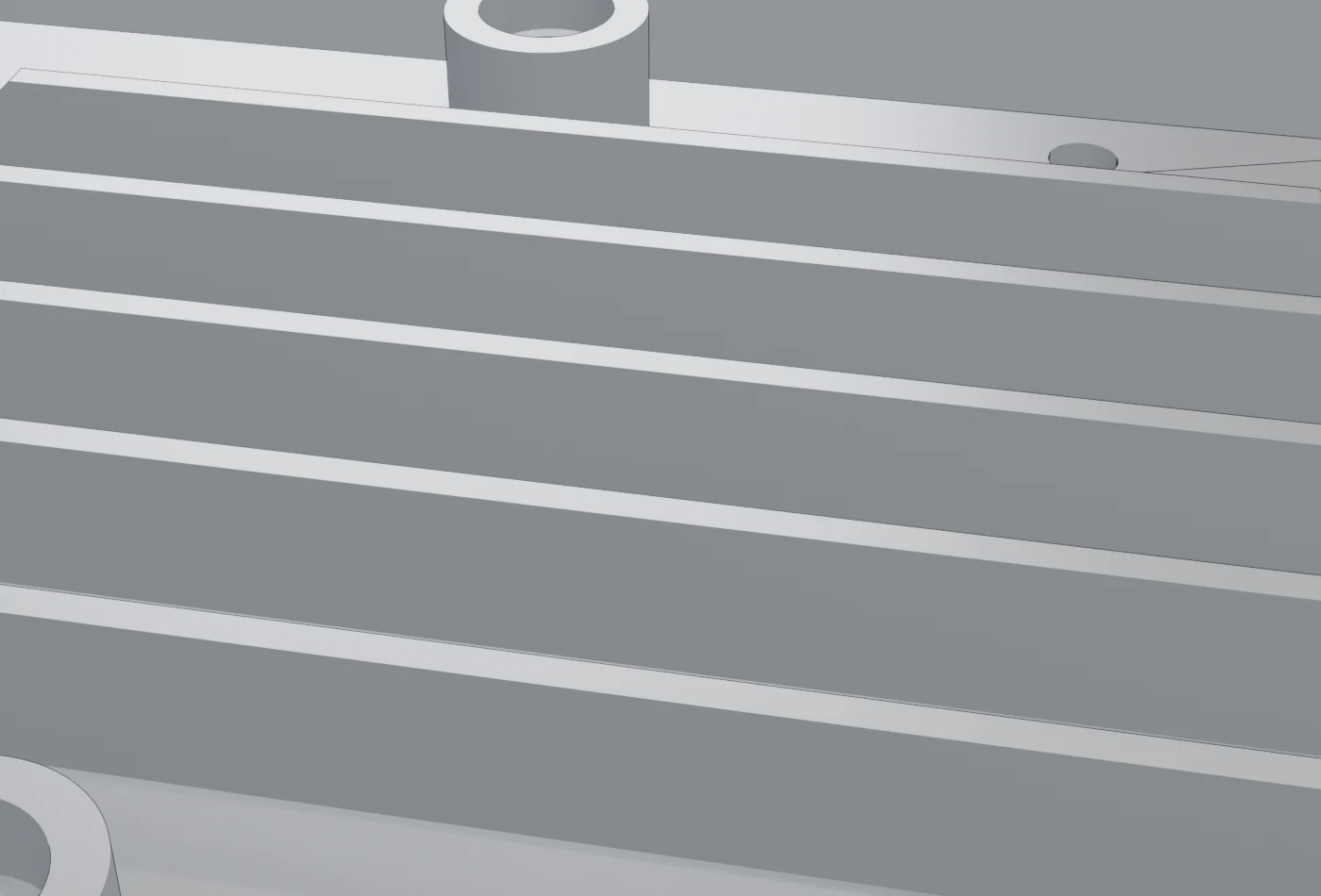
Claude Opus 5 at xhigh effort received NIST's published three-sheet engineering drawing, but not the reference CAD. The reconstruction was frozen before the analytic STEP model was opened and compared.
CLAUDE OPUS 5 · XHIGH · NATIVE BLENDER AUTHORING
The PDF contained vector paths rather than a raster scan. The agent separated object lines from annotation by stroke weight, recovered four orthographic views at exactly 72 PDF points per inch, then cross-checked the extracted geometry against the printed dimensions and tolerance bands.
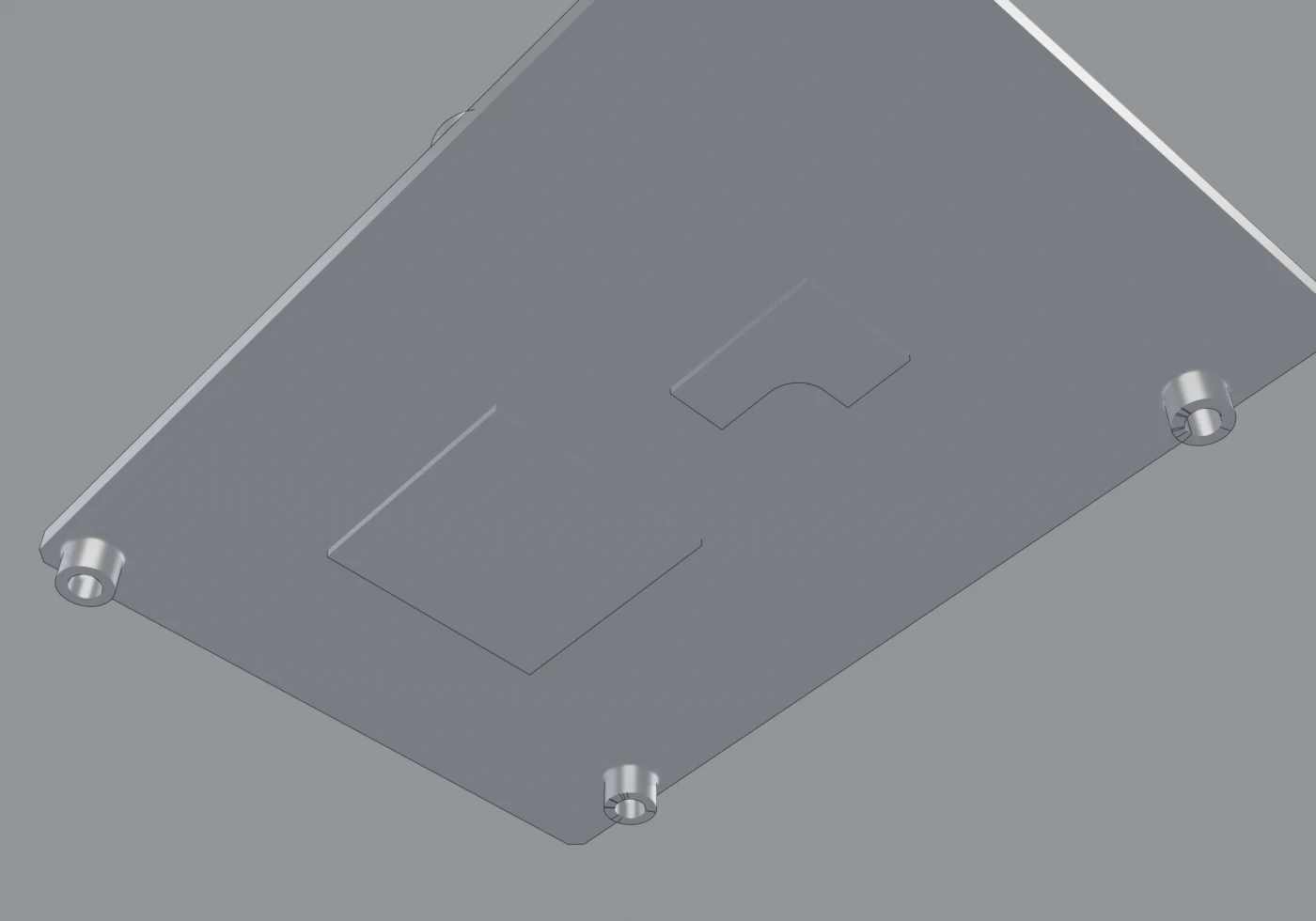
The model used recorded bpy and bmesh scripts, exact booleans and one Blender unit per inch. The agent inferred which circles were holes, bosses or counterbores; reconstructed the fin ramps and chamfers; and derived two features that were never dimensioned.
NIST's AP203 reference stores analytic cylinders, spheres and tori, so the round-feature comparison did not depend on a sampled reference mesh. The model matched every distinct reference diameter and correctly inferred both the undimensioned Ø.284 standoff flare and SR .09375 pin cap.


The first version flared a Ø.284 barrel down to a Ø.220 free end. NIST's model confirmed the manufacturable reading: a Ø.220 post fillets outward into the plate. The drawing contained enough evidence; the agent had misassigned it.
The hidden reference contained 59-degree half-angle cones: standard 118-degree drill points. They were invisible in the supplied views, then added once the analytic STEP comparison exposed them.
Beyond Blender
Blender is the current authoring environment, but the bridge is also an experiment in a broader question: how should frontier AI models operate professional design and engineering software?
The approach deliberately keeps the native application and its scripting model intact. Rather than replacing Blender with a reduced AI-specific language, Alepou adds the observation, verification, recovery and audit layers needed for reliable iterative work.
A natural next experiment is parametric CAD: combining a frontier model's existing scripting fluency with native CAD geometry, constraints, dimensions and engineering validation.
Alepou Blender Bridge
Blender remains Blender. Alepou adds durable project context, controlled access, recorded execution, and a review loop that can survive long-running work.